
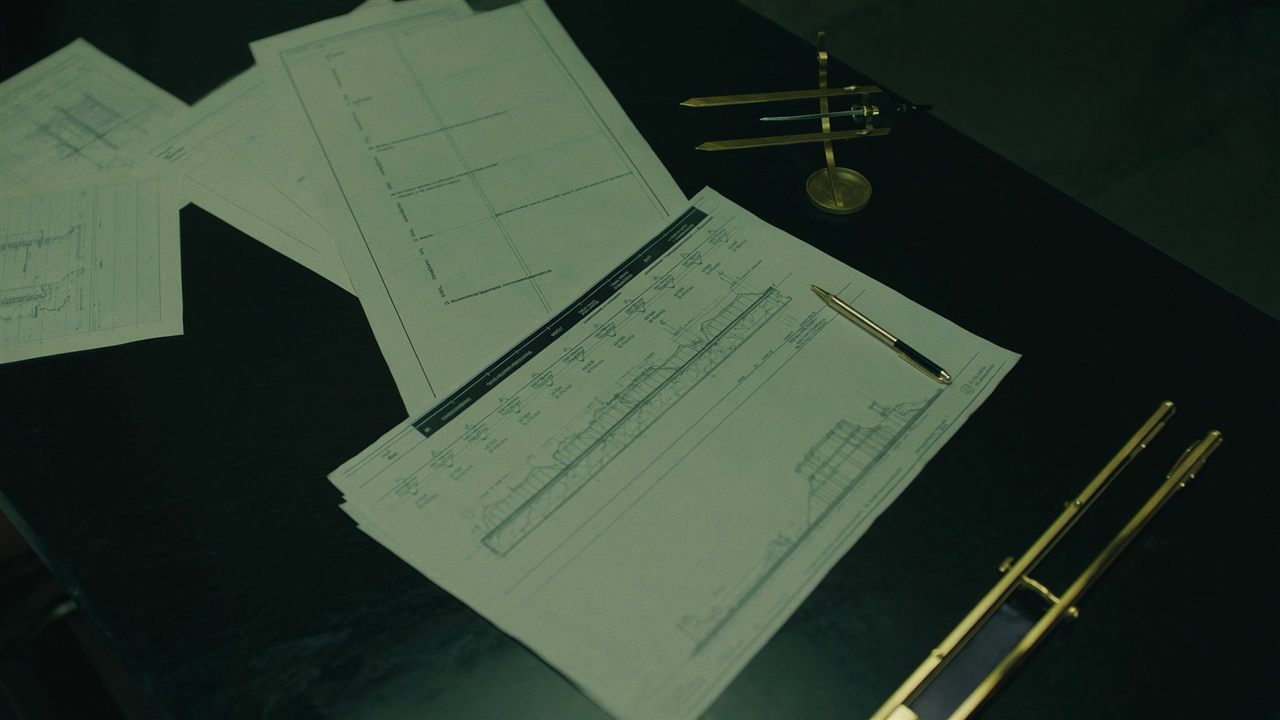
Looking back at a project that went over budget, you can rarely find a single large mistake. What you find is a series of small decisions, each perfectly reasonable on its own: a minor scope addition, a two-week slip, then an expedite cost to make up for it. The overrun is the sum of those decisions. Which is why budget control is less about tracking spend than about making decisions visible.
Scope creep advances quietly
Most projects do not grow because their scope is formally widened in a meeting. They grow through small additions: while we are here let us do this too, the client expects it anyway, it is a small job. Each addition is trivial on its own — and precisely for that reason goes unrecorded. Because it goes unrecorded, it never reaches the budget or the schedule.
The fix is not to refuse additions but to treat every addition as a decision. For each new item entering scope, one question is enough: how much time and how much resource does this add, and who approves it?
Schedule and budget are the same thing
The most expensive line in a project is usually not materials but time. The team, rented equipment, financing costs, and management attention keep being consumed for as long as the project runs. A schedule slip has therefore already hit the budget, even before a single additional purchase is made.
The most common management error here is hiding a delay and trying to absorb it. A two-week slip reported early is manageable; the same slip reported late compounds, expedite costs included.
In a project, the cost of bad news rises with every week it is delayed.
Habits that protect a budget
- Scope written down and approved, with each change treated as a separate decision
- Progress measured by completed deliverables, not by time spent
- A reserve set aside upfront for high-uncertainty items, with a defined rationale
- Risks listed with a named owner and reviewed on a regular cadence
- A working culture that does not punish bad news and rewards reporting it early

Good project management does not eliminate surprises; it makes them visible early. A deviation spotted early produces options; the same deviation spotted late produces only losses. At SAFARI CONSULTING we run projects on that principle, treating scope and schedule as inseparable parts of the budget.