
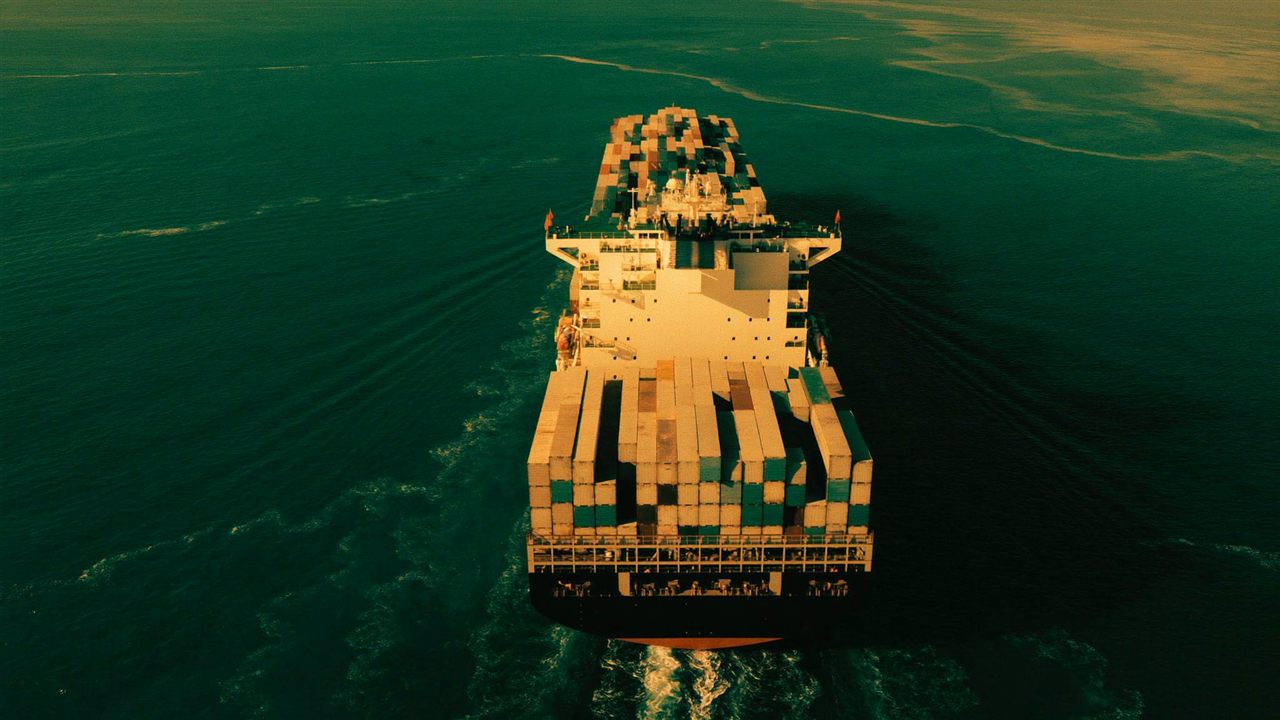
Ask what a shipment held at customs costs, and the first items that come to mind are storage and demurrage. Both are visible and invoiced, so they are easy to add up. Yet the real cost of a delay usually accumulates outside those invoices, across the rest of the supply chain: a halted production line, a missed selling season, a customer whose confidence is shaken, and the price of expedited transport paid to make up the difference.
Delays usually originate in the paperwork
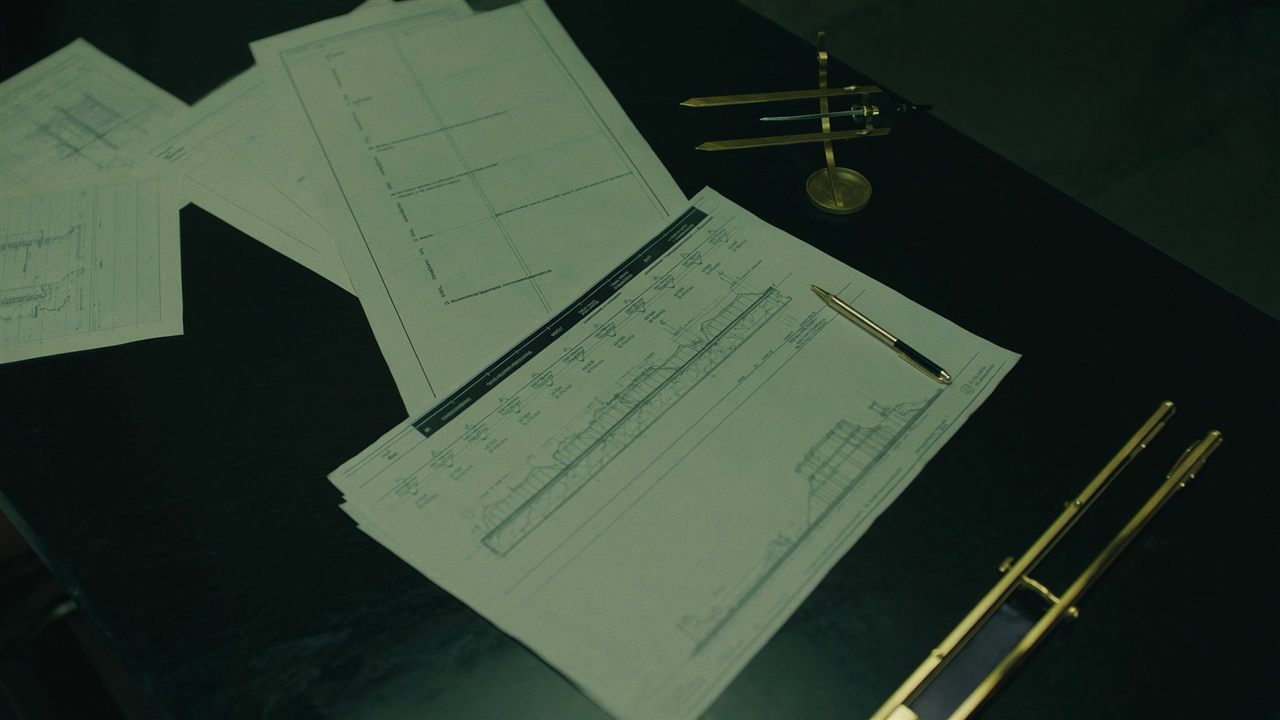
Most of the delays we encounter in practice arise not from physical inspection but from mismatches in declarations and documents. An inconsistency between the invoice and the declaration, a gap in the certificate of origin, a product description that does not match the tariff classification, or a missing conformity certificate. All of these could have been resolved before the goods left.
Customs preparation is therefore not work that begins when cargo reaches the port. Verifying the tariff classification when the order is placed, listing the documents that will be required, and settling upfront what will be requested from the supplier all cost less than any correction made afterwards.
Tariff classification is not a detail
A product's customs tariff classification determines not only the duty rate but which documents will be needed, what inspection regime applies, and whether any preferential trade advantage can be used. A wrong or arguable classification does not merely cause a one-off problem on that shipment; it recurs on every subsequent shipment of the same product.
Where a classification is genuinely debatable, settling it once at the outset costs far less than relitigating it on every consignment.
The most expensive document in customs is the one discovered to be missing after the shipment has departed.
A working routine that reduces delays
- Tariff classification verified at the ordering stage and then used consistently
- Full consistency between invoice, packing list, transport document, and certificate of origin
- Product-specific mandatory documents and permits listed before the order is placed
- Documents required from the supplier defined explicitly in the contract
- Clarity from the outset about which obligations the chosen delivery term places on each party

Customs processes become predictable when they are set up properly. And predictability determines not only cost but how reliable a delivery promise you can give your own customer. At SAFARI CONSULTING we plan logistics and customs processes before shipment, making visible in advance the points where risk accumulates in the paperwork.