
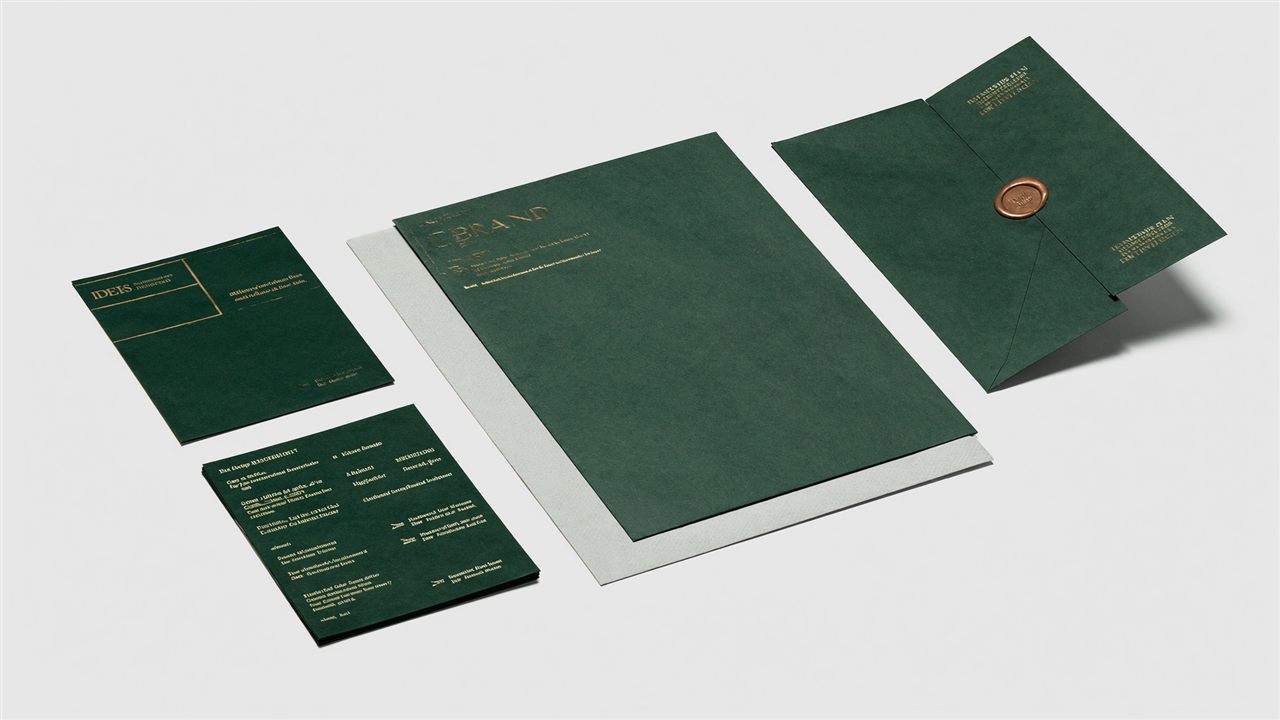
When corporate identity work comes up, the conversation usually starts with a logo and ends with a colour palette. Both are necessary, but they are the visible face of an identity rather than the identity itself. The real definition of a brand is far plainer: what stays in your customer's mind after each contact with you. That definition is uncomfortable, because it shows that most of the control sits in daily operations rather than in design.
Positioning is a matter of choosing
The positioning question is often asked as who are we; a more workable version is this: for which customer, against which alternative, and for what reason do we want to be chosen? Until those three are settled, every communication effort — however well designed — lands without a target.
The hardest part of positioning is that choosing one thing requires giving up another. A brand that tries to appeal to everyone occupies no distinct place in anyone's mind. Being trustworthy and being the cheapest, being fast and being the most comprehensive, can all be claimed at once; they simply will not be remembered together.

Consistency is worth more than creativity
The strength of a corporate identity comes less from how original its individual elements are than from all of them saying the same thing. Your proposal document, the welcome at your office, the first sentence spoken on the phone, the layout of your invoice, the language of your contract — all of these are part of the brand, and most sit outside a design team's field of view.
The problem we encounter most often in a company's communication is not bad design but inconsistency. A company that is corporate and distant on its website, warm and casual in its proposals, and defensive in its contracts leaves its customer with the impression of three different organisations.
A brand is not the story the marketing team tells; it is the promise the organisation keeps every day.
The layers an identity project has to cover
- Positioning: target customer, alternatives, and the reason to be chosen
- Corporate language: the tone used in correspondence, proposals, and contracts
- Visual system: logo, typography, colour, and the rules governing their use
- Touchpoints: the whole flow from first contact through invoicing and after-sales
- Internal communication: how the team understands the brand and conveys it outward

Corporate identity begins as a design project but continues as a management discipline. A refreshed logo reverts to its old self within six months unless the consistency behind it is established. At SAFARI CONSULTING we start brand work from positioning and build the visual system as a consequence of that decision.